I’m fortunate enough to have been to a few of the world’s better mountain regions, but when Scotland is on form it’s pretty hard to beat, especially in the winter. Here are a few pictures from Scotland on a long weekend to remember.


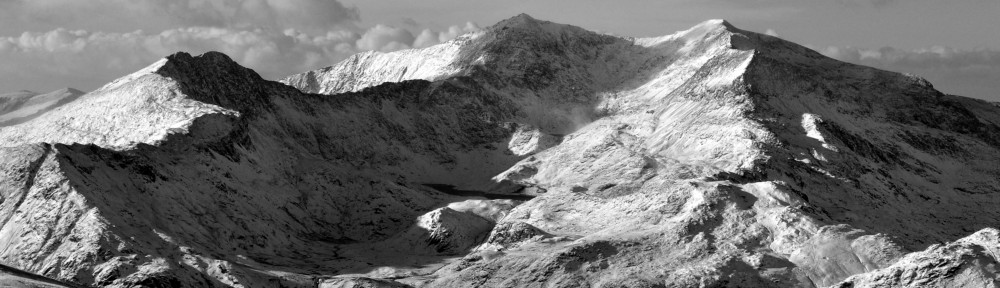
I’m fortunate enough to have been to a few of the world’s better mountain regions, but when Scotland is on form it’s pretty hard to beat, especially in the winter. Here are a few pictures from Scotland on a long weekend to remember.
I’ve watched Paris-Nice and Tirreno Adriatico this week and while the racing has been fantastic, yet again all teams have made a basic mistake that is so easily rectified. Teams and riders have incredibly advanced nutrition, training methods, and are tracking everything in sight. And yet this has seemingly gone missing…
Where am I coming from?
This blog started as a place for thoughts on outdoor kit while I finished my PhD on, essentially, insulation, and while doing consultancy work for various outdoor brands. I then got a job with one of the world’s leading technical outdoor brands and so reviewing/writing about kit here took a bit of a back seat with contractual obligations and impartiality to think about. So it’s become more of a depository for thoughts on kit in general, photos, and the occasional foray into other sports.

I’m a keen cyclist too and follow pro road racing pretty closely, watching it from the spring classics right through to Il Lombardia. And so for this blog I’m combining my keenness for cycling with my actual knowledge about insulated clothing to solve a problem that has, somehow, not yet been solved. I work in an industry where if people have clothing that doesn’t keep them warm then they get frostbite or worse. Cold injuries are serious. And yet I’m watching Paris-Nice this past week and see some of the world’s best athletes, incredibly lean and in super-teams optimised at every turns, clearly shivering or downright hypothermic. What is going on?
Cycle clothing and the big mistake
Cycle clothing has come a long way in the past ten or fifteen years. Better fabrics, better patterning, better designs, better aerodynamics. In warm conditions the kit is incredibly effective. And yet in cold and wet conditions it is miles behind outdoor kit (to be fair outdoor kit is miles behind cycling stuff in hot weather) and there are lots of things which could be done to improve it. And yet this blog isn’t about that.

The own goal regards the kit the riders are wearing once they’ve finished riding on cold/wet stages. While they are racing there’s various pressures to stop them wearing too much kit but while the riders are stopped they need to wear a lot. A LOT. If riders are racing while wearing very little there might be reasons for that – fear of extra weight, overheating later in the stage, being unable to change layers, et cetera. But at the end of a race those demands are gone and they should just be given an enormous amount of clothing to wear.

At the moment, we have some of the fittest athletes in the world sitting soaking wet and freezing cold giving interviews, visibly shaking and hypothermic. They are sat in their drenched kit with little more than a woolly hat and basic cagoule to wear. Mads Pederson is no stranger to horrific weather and thrives in those conditions, and yet being interviewed this week he was in very obvious discomfort after the stage due to the cold. ‘Here, have a 1mm thick rain jacket’ is not the answer. Shivering is incredibly energy intensive and hypothermia incredibly draining – they will affect power output and energy reserves the next day, plus possibly increase the chance of illness. Many of the riders use sensors to measure their core temperature (sort of) while racing; they should see what the measurements say after a cold and wet stage…
Neutralised stages, too, need better allowances made. The team cars are packed with wheels and personnel, but surely they could fit a few layers in the back that aren’t wafer thin. Hypothermic riders lose motor function but also make poor decisions. And if you can’t grip brake levers or think lucidly then you shouldn’t be screaming down descents.
It’s been this way for years. I remember watching guys after the worlds in Harrogate giving interviews who had blue lips and the ‘umbles. These were full-on cases of hypothermia and weren’t something they’d recover from in a few minutes. Why hasn’t cycling learnt?
What they should be wearing
What riders should be wearing after a stage depends a bit on the weather conditions. If the conditions are dry but cold and the rider is fairly dry after the stage then this is relatively easy to dress for. Essentially the rider should be given clothing with a huge clo or tog value. That means clothing as thick as possible. Cyclists don’t often wear thick clothing for various reasons, but once you are done racing the best way you’re going to stay warm is with thick clothing. This needs to be not only a jacket but legwear too. If wearing shorts or thin tights then the heat loss from your legs is enormous and the only way to fix this is to put more layers on your legs.

If the rider arrives at the finish line wet, then there are additional concerns. For starters, wet clothing is very ineffective at insulating regardless of its thickness. This is because water has a thermal conductivity 25 times that of air. ‘Warm when wet’ is nonsense. Additionally, if the rider’s clothing is wet, but the rider is still putting out plenty of heat then the water inside the clothing will begin to evaporate. Evaporation draws huge amounts of heat away from the wearer and is a very effective cooling mechanism. This is ideal if you’re trying to cool down; it’s less useful if you’re already cold. ‘Breathability’ is your worst enemy in these situations.

The best thing for podium presentations, interviews, riding to the hotel or waiting for a hot shower, is to get riders changed out of their wet clothing as soon as possible. Riders would be warmer standing there naked than they would be in their soaking wet skinsuit. However, this often isn’t practical…
If riders are unable to change out of their wet clothing then they need to reduce the evaporation from the clothing to near zero, and add a shedload of thickness on top. The best option, therefore, is a highly wicking layer worn on top of the wet layers which pulls moisture further from the wearer without evaporation, and then for something really thick on top of that. Heated clothing is definitely not the answer here- it might actually make things worse.

It is not possible for a depleted and soaking wet rider to wear too much clothing. If it’s near-freezing and pouring with rain like at Paris-Nice this week then the garments worn after the stage need to be warm enough for Himalayan expeditions. In this use case where the garment will be washed regularly and worn over wet clothing a down garment is not ideal, and instead a very very warm synthetically insulated garment should be worn over that wicking layer. 60gsm insulation simply isn’t enough here – though it would be a massive improvement on anything that any of the teams are currently supplying to riders. You need to be looking at 150+gsm. This must be both on the legs and on the body. If podium protocol means no jackets are allowed then keep the legwear on. And if the podium protocol bans insulated legwear too then the protocol needs to change in wet/cold races. And if team sponsors don’t make suitable cold weather kit then that’s doesn’t excuse hypothermic riders: plenty of riders are already wearing off-brand kit at the finish line, notably ski gloves. You’d be warmer wrapping yourself in a roll of carpet than wearing ski gloves.
There are plenty of tricks that could be done in addition to this but a very wicking layer over the wet clothing and then a tonking load of insulation on top would be a serious improvement on what any rider is given post-stage currently. This isn’t even a marginal gain but a macro-gain. The second macro-gain for cold and wet weather is the baselayer that they are racing in, but that’s another story…
Come on race teams/cycling clothing brands – you can and should do better.
 Gear and Mountains